Ultimate Guide to MRI Service: Elevating Healthcare with Precision Diagnostic Solutions
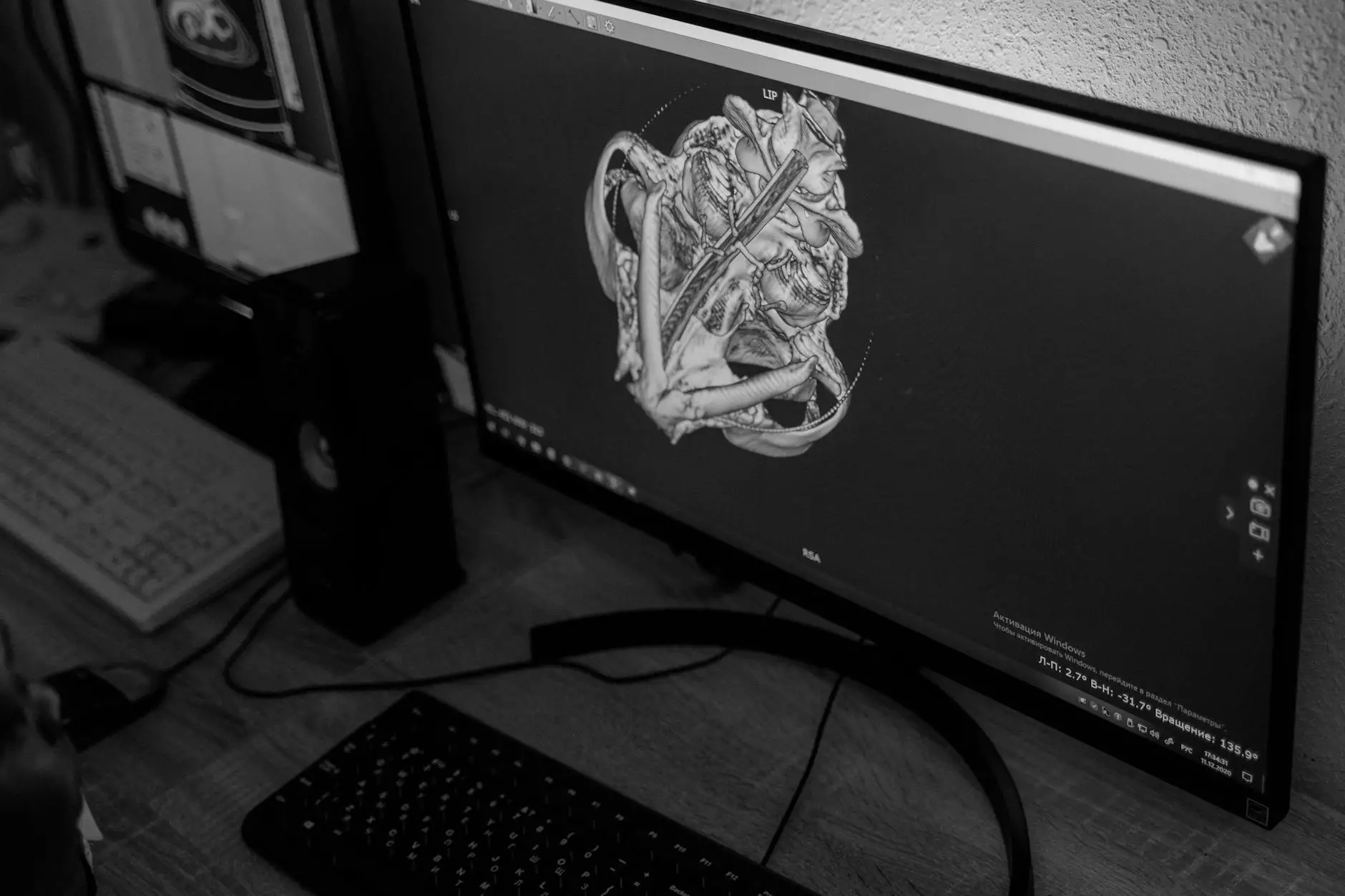
In the rapidly evolving landscape of healthcare, MRI (Magnetic Resonance Imaging) service stands as a cornerstone of modern diagnostic medicine. With technological advancements and increased demand for accurate, non-invasive imaging, top-tier medical centers and diagnostic services now prioritize offering exceptional MRI services. This comprehensive guide explores how MRI service enhances patient outcomes, supports medical professionals, and drives the growth of healthcare businesses dedicated to excellence in health and medical services.
Understanding MRI Service: A Breakthrough in Medical Imaging
MRI service is a sophisticated imaging technique used to visualize internal structures of the body with remarkable clarity and detail. Unlike traditional X-rays or CT scans, MRI employs powerful magnetic fields and radio waves, eliminating exposure to ionizing radiation. This method enables physicians to diagnose a wide array of conditions, from neurological issues to musculoskeletal injuries, with unparalleled precision.
What Is an MRI Machine and How Does It Work?
An MRI machine is a complex device consisting of a large magnetic coil, gradient magnets, and radiofrequency coils. When a patient lies inside the MRI scanner, the magnetic field causes protons within body tissues to align. The machine then emits radio waves that disturb this alignment. As protons realign, they emit signals that are captured by the scanner’s detectors and processed into detailed images by advanced software algorithms.
The Rich Benefits of Professional MRI Service in Healthcare
- High-resolution images allow for detailed visualization of soft tissues, including the brain, spinal cord, muscles, and organs.
- Non-invasive procedure minimizes patient discomfort and risk.
- Accurate diagnosis facilitates effective treatment planning and better health outcomes.
- Early detection of diseases such as cancer, neurological disorders, and cardiovascular conditions.
- Versatility in imaging different body parts, including extremities, abdomen, pelvis, and more.
Innovations in MRI Service at Leading Medical Centers
Modern medical centers have integrated cutting-edge MRI technology to provide the highest standard of diagnostic services. From open MRI systems that improve patient comfort to 3 Tesla (3T) machines offering ultra-high-resolution imaging, innovations continue to enhance diagnostic accuracy and patient experience.
Advanced MRI Technologies: What Sets Them Apart?
- 3 Tesla (3T) MRI – delivers superior image quality essential for detecting minute abnormalities.
- Functional MRI (fMRI) – studies brain activity by measuring blood flow, critical in neurological diagnostics and research.
- Contrast-enhanced MRI – utilizes gadolinium-based contrast agents to highlight vascular structures and lesions.
- Open MRI systems – reduce claustrophobia and make the scan accessible to more patients.
- Silent MRI technologies – significantly reduce noise, improving patient comfort during procedures.
The Role of MRI Service in Diagnostic Services and Patient Care
Every diagnostic service relies heavily on the availability of reliable MRI service. Accurate imaging results are essential for clinicians to formulate correct diagnoses and effective treatment plans. High-quality MRI diagnostics support a multitude of medical disciplines including neurology, orthopedics, cardiology, oncology, and gynecology.
Enhancing Patient Outcomes through Precise Imaging
MRI service empowers physicians to detect abnormalities at early stages, monitor disease progression, and evaluate the effectiveness of treatments. For example, in oncology, MRI scans identify tumors with exceptional clarity, guiding surgical or medical interventions. Similarly, in neurology, MRI reveals details of brain structures, aiding in diagnosing multiple sclerosis, strokes, and traumatic injuries.
The Business Impact of Providing Outstanding MRI Service
For medical centers and diagnostic facilities, investing in top-tier MRI service is a strategic move to attract and retain patients, foster reputation, and comply with healthcare standards. Modern MRI units require significant investment, but the benefits include enhanced diagnostic capabilities, increased revenue streams, and a competitive edge in the healthcare sector.
Key Business Advantages of Superior MRI Service
- Patient trust and satisfaction – modern, comfortable MRI environments improve patient experience.
- Diversification of services – expanded diagnostic offerings attract a broader patient demographic.
- Reputation enhancement – being recognized for advanced technology affirms a center’s commitment to excellence.
- Operational efficiency – faster, more accurate scans reduce repeat procedures and improve throughput.
Ensuring Safety and Quality in MRI Service
Quality MRI service mandates adherence to strict safety protocols and standards. This encompasses patient screening for contraindications (e.g., pacemakers), proper contrast agent administration, and rigorous equipment maintenance.
Furthermore, medical centers must ensure their staff are highly trained in MRI procedures, safety measures, and emergency protocols. Continuous staff education and investment in quality assurance programs significantly contribute to exceptional service delivery.
Patient-Centric Approach in MRI Services
Modern MRI facilities prioritize comfort and safety, implementing features such as:
- Pre-scan education to reduce anxiety.
- Noise reduction devices to ensure a quieter scanning experience.
- Open MRI options for claustrophobic patients.
- Gentle positioning techniques to minimize discomfort during lengthy procedures.
Future Directions in MRI Service and Diagnostic Innovation
The future of MRI service is promising, with continuous innovation aiming to make imaging faster, more detailed, and more accessible. Emerging fields include:
- Artificial Intelligence (AI) integration for image analysis and interpretation.
- Hyperpolarized MRI techniques providing metabolic insights, crucial for early disease detection.
- Portable MRI devices reducing barriers to access in remote or underserved areas.
- Hybrid imaging modalities combining MRI with PET scans for comprehensive diagnostic insights.
Choosing the Best MRI Service Provider
For healthcare providers, selecting a reliable MRI service provider like Echo Magnet Services ensures access to cutting-edge technology, experienced technicians, and comprehensive support. Key factors to consider include:
- Technological sophistication of MRI units.
- Accreditations and certifications in safety and quality standards.
- Experience of the medical staff.
- Patient-centered services designed to minimize discomfort.
- Reliability and turnaround time for diagnostic results.
Conclusion: Embracing Excellence in MRI Service for Better Healthcare
Investing in state-of-the-art MRI service is no longer optional but essential for medical centers and diagnostic providers aiming to lead in healthcare excellence. Magnetic resonance imaging not only propels diagnostic accuracy but also enhances patient safety, comfort, and confidence in healthcare services. As technological innovations continue to transform medical imaging, those prioritizing top-tier MRI service will set the standard for quality, effectiveness, and patient satisfaction — ultimately improving health outcomes across communities.
For health institutions committed to advanced diagnostic solutions, collaborating with dedicated MRI service providers like Echo Magnet Services ensures access to reliable, innovative, and safe imaging technologies that meet the highest standards of care and operational excellence.
Whether you are expanding your healthcare offerings or upgrading your existing facilities, embracing top-grade MRI service is a strategic decision that positions your organization at the forefront of modern medicine, benefitting patients and your business alike.