Transform Your Space with Expert Commercial Ventilation Design in South Wales
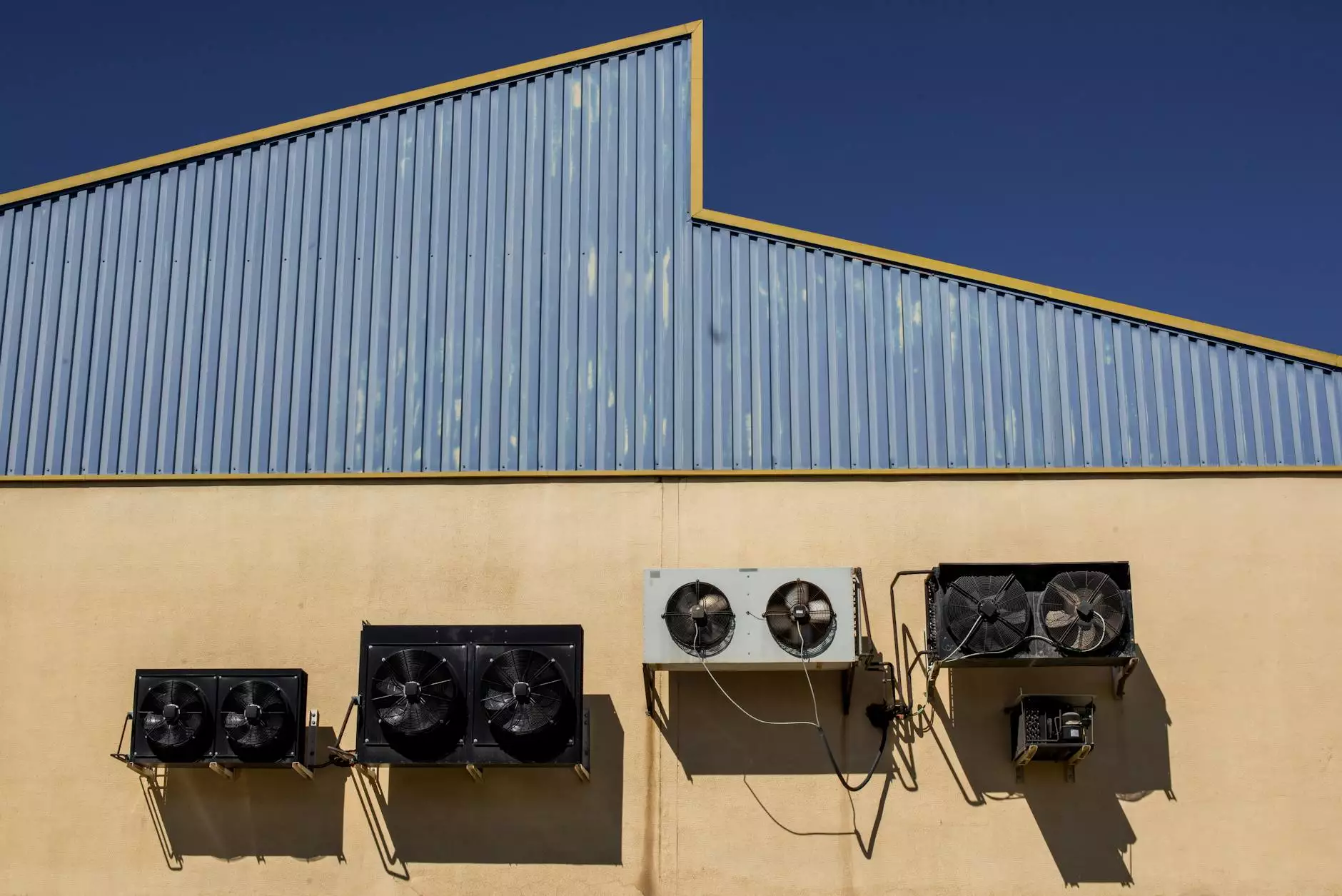
In today's fast-paced and ever-evolving business environment, the emphasis on creating healthier workspaces cannot be overstressed. For business owners and managers in South Wales, the importance of adequate ventilation in commercial buildings is paramount. Not only does an effective commercial ventilation design contribute to employee comfort and productivity, but it also complies with regulations and aids in maintaining a healthy indoor atmosphere.
Understanding the Basics of Commercial Ventilation
Commercial ventilation involves the systematic exchange of indoor and outdoor air to improve indoor air quality and regulate temperatures. It encompasses various systems and features that allow for sufficient airflow and humidity control inside commercial premises. The components of a robust commercial ventilation system include:
- Air Ducts: Pathways that circulate conditioned air throughout the building.
- Exhaust Systems: Mechanisms that expel stale or polluted air outside.
- Intake Systems: Features that bring fresh air into the building.
- Air Filters: Devices that trap pollutants, ensuring cleaner air circulation.
The Importance of Professional Design
For optimal performance, a commercial ventilation design must be carefully tailored to each specific building and its intended use. Professional designers consider multiple variables including:
- Building Size and Layout: Understanding spatial dynamics is key to achieving efficient airflow.
- Occupancy Levels: More people require enhanced ventilation to ensure comfort and air quality.
- Activities and Equipment: Certain business operations generate heat or pollutants, necessitating specialized ventilation solutions.
Failing to accurately design a ventilation system can lead to compromised air quality, increased energy consumption, and ultimately, a less productive workforce. With extensive knowledge and experience, companies like DW Air provide tailored solutions that enhance both performance and comfort.
Key Benefits of Professional Commercial Ventilation Design
Investing in professional ventilation design offers businesses a myriad of advantages:
- Improved Indoor Air Quality: A well-designed system helps remove allergens, dust, and pollutants, which is crucial for employee health.
- Enhanced Comfort: Regulating temperature and humidity levels leads to a more pleasant working environment.
- Increased Energy Efficiency: Professional designs consider energy-efficient solutions that save costs in the long run.
- Compliance with Regulations: Adhering to local building codes and health regulations protects your business from potential fines.
- Boosted Employee Productivity: Healthy and comfortable environments have been linked to increased productivity and morale.
Ventilation Types for Commercial Spaces
When it comes to commercial ventilation design in South Wales, it's essential to understand the different types of ventilation systems available. Businesses can choose from the following options:
1. Natural Ventilation
This type of ventilation relies on natural forces – wind and temperature differences – to provide airflow without mechanical assistance. Buildings can include operable windows, vents, and other architectural features to promote natural air exchange.
2. Mechanical Ventilation
Mechanical ventilation uses fans and duct systems to actively circulate air. This method is particularly advantageous in larger commercial facilities where natural ventilation may be insufficient. Key mechanical ventilation systems include:
- Exhaust Ventilation: Primarily removes indoor air, creating a negative pressure that draws in fresh air.
- Supply Ventilation: Forces fresh air into the building, which may displace stale air either naturally or through exhausts.
- Balanced Ventilation: Combines both supply and exhaust methods, ensuring a constant airflow with equal amounts of incoming and outgoing air.
3. Hybrid Ventilation
Hybrid systems offer the best of both worlds, utilizing natural and mechanical methods to optimize energy consumption and air quality. This system can significantly enhance operational efficiency during varying weather conditions.
Factors to Consider in Ventilation Design
When embarking on a commercial ventilation design project, it is essential to analyze various factors that could influence the system's efficiency:
- Local Climate: The ventilation system must account for seasonal changes in temperature and humidity, especially in South Wales.
- Building Usage: Different industries have unique requirements—kitchens, laboratories, and office spaces will need tailored solutions.
- Energy Supply and Demand: Understanding how much energy the system will require helps in strategizing for potential savings.
- Future Expansion: Designing with growth in mind allows businesses to adapt ventilation solutions as they scale.
Innovations in Ventilation Technology
In a world leaning towards sustainability and environmental responsibility, cutting-edge technologies are evolving to improve ventilation systems' efficacy. Notable advancements include:
- Smart Ventilation Systems: These employ IoT technology to monitor air quality and adjust operations automatically based on real-time data.
- Energy Recovery Ventilators (ERV): These systems recover energy from exhaust air, preconditioning incoming air to enhance efficiency.
- Advanced Filtration Systems: New filter technologies remove smaller particulates and contaminants, improving indoor air quality further.
How DW Air Can Help
As an expert in commercial ventilation design in South Wales, DW Air prides itself on providing comprehensive solutions tailored to each client's unique needs. With skilled professionals ready to analyze your current setup and propose strategic improvements, we offer services that include:
- Consultation and Assessment: Understanding your business needs to devise the right ventilation strategy.
- Design and Engineering: Creating customized designs that align with your building's specifications.
- Installation Services: Professional installation ensuring that all components function properly and efficiently.
- Maintenance and Support: Ongoing support to keep your systems running optimally and in compliance with regulations.
Conclusion
In summary, investing in commercial ventilation design in South Wales is essential for maintaining a healthy and productive work environment. With advanced technology and innovative approaches, businesses can not only comply with health regulations but also see significant gains in employee satisfaction and energy savings. Choose a partner like DW Air to ensure your ventilation needs are met with expertise and professionalism, leading your business towards a successful future.
Contact Us
Ready to elevate your commercial space with exceptional ventilation solutions? Contact DW Air today to learn more about our services and how we can assist you with your commercial ventilation design needs in South Wales.
commercial ventilation design south wales